Your slow website is costing you jobs: a real before and after
Woodworx Cabinet Builders has been building custom kitchens around Edmonton since 1994. Their work sells itself in person. Their website was another story: on a phone, over an ordinary connection, it took 7.3 seconds to visibly load.
Nobody calls to tell you your site is slow. They close the tab and call the next shop on the list. So here's what we found on a real site, what we changed, and exactly what the numbers looked like on both sides.
The honest starting point
The old site wasn't a disaster, and it matters to say so. It scored 78 for performance, which plenty of small business sites would envy. The problem hid one layer down. Its Speed Index was 7.3 seconds, meaning the page spent most of eight seconds visibly assembling itself, and its Largest Contentful Paint was 3.8 seconds, meaning the main image took almost four seconds to show up.
A note on how we test, because it changes the numbers a lot. Both tests in this post ran the same morning on Lighthouse 13, on an emulated budget Android phone over a slow 4G connection. That's deliberately harsh. It's also exactly the phone and the signal your customer has while standing in their half-renovated kitchen comparing contractors.
What was holding it back
The same things we find on most service business sites, honestly. Beautiful photos uploaded straight off the camera, several megabytes each, for spots on the page a few hundred pixels wide. A handful of generic pages doing every job at once, so no single page could answer a specific search. And almost nothing underneath telling Google what the business is, where it works, and what it sells.
What we changed
We rebuilt the site as 16 focused pages: one per service, and one per town the shop actually serves. Someone searching from Leduc or Beaumont now lands on a page about their town instead of a generic homepage.
Photos that stay sharp but load fast
Every image got resized to the largest size it actually displays at and re-encoded in modern formats. The kitchens look exactly as good. They just stopped costing four seconds.
Pages built for search
Every page got its own title and description that say what the business does and where. The homepage title is now Edmonton Cabinet Builders Since 1994, which is simply what they are. Underneath, structured data tells Google the business's services, service area, and history. Links preview properly when shared, and the site is readable by AI assistants like ChatGPT too.
Here's the same business, before and after.
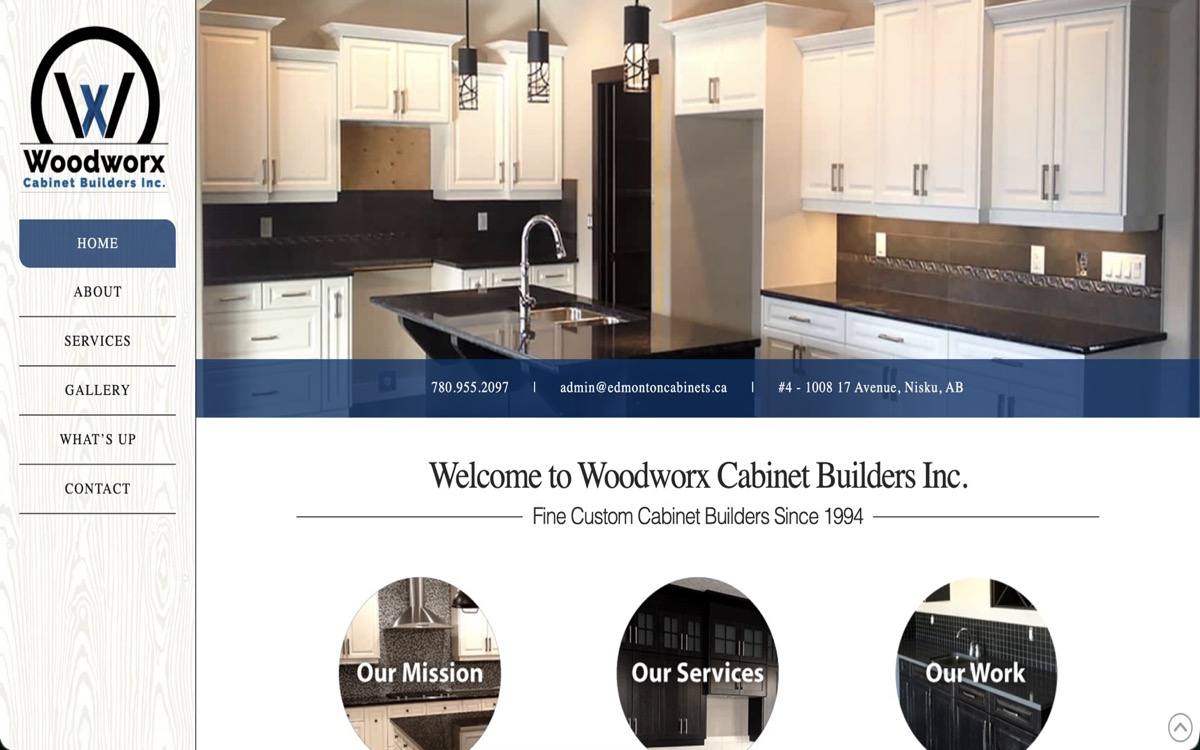
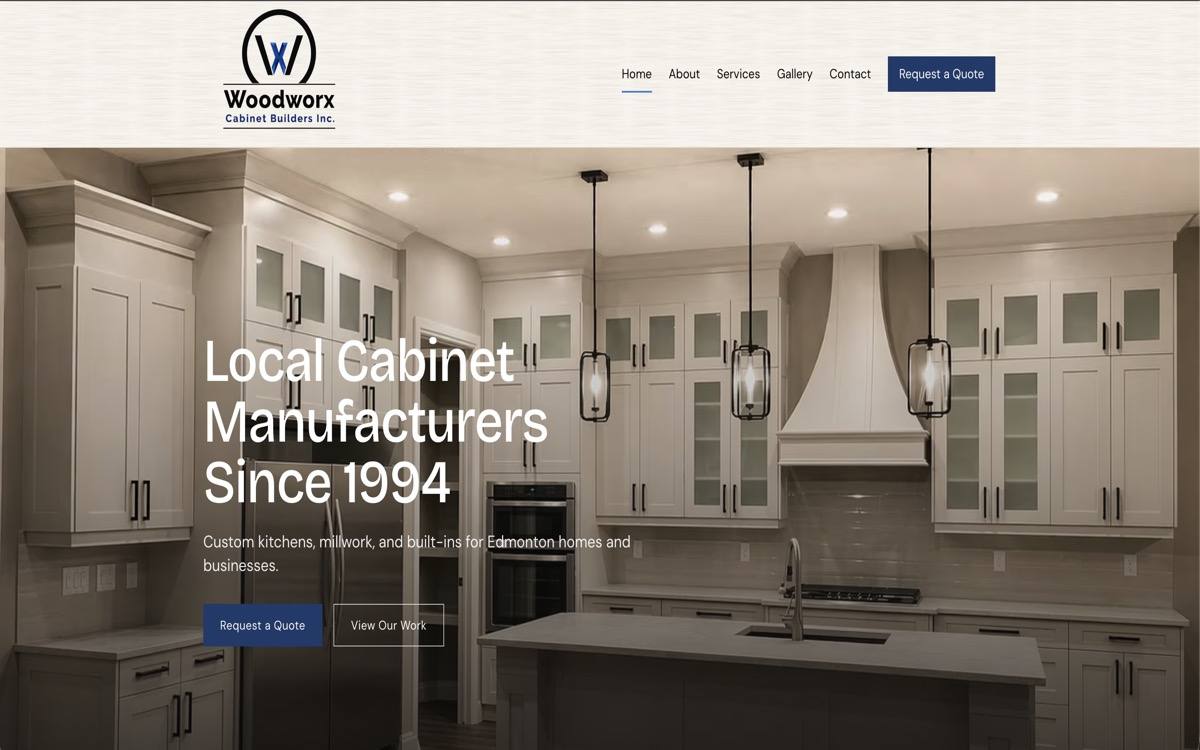
The numbers, side by side
Speed Index went from 7.3 seconds to 1.8. First paint went from 2.7 seconds to 1.0. The largest element on the page went from 3.8 seconds to 2.6. The Lighthouse performance score went from 78 to 97, and the SEO score went from 75 to 100. Same emulated phone, same throttled connection, same day.
The full run data, including the scores we didn't need to fix, is in the complete case study.
Why a few seconds moves real money
Google's own research found the odds of a visitor bouncing rise 32 percent as load time goes from one second to three, and nearly double by five. For a service business, every one of those bounces was a person who wanted the thing you sell, found you, and left before your page finished drawing.
Check your own site in two minutes
Open pagespeed.web.dev, type in your website address, and read the Mobile tab, not the Desktop one. Three numbers matter: the Performance score, the Speed Index, and the Largest Contentful Paint. Google calls anything under 2.5 seconds good for that last one. If your Speed Index looks anything like the 7.3 Woodworx started with, your website is quietly filtering out customers before they ever see your work.
If you'd rather have us look, that's literally what the free visibility report is. We check your speed along with everything else that decides whether you get found and chosen, and send it over within two days. And if you want it fixed, that's what we do.
Keep Reading
Related articles
Ready to put these ideas to work for your business?
Get in Touch